Why Geography Shapes How People Use AI Recorders
AI recording devices like the Plaud Note are tools — but how people use them depends heavily on where they live, what they do, and what infrastructure supports them. In the United States and Brazil, two of the largest consumer electronics markets in the Western Hemisphere, adoption patterns for wearable AI recorders are diverging in fascinating ways.
- US users favor structured meeting capture with integrations into Notion, Slack, and project management tools, while Brazilian users lean toward sales calls, journaling, and informal networking
- English transcription accuracy tops 90% in the US, but Brazilian Portuguese varies between 75-85% depending on regional dialect and ambient conditions
- Price perception differs sharply — at $170 USD the Plaud Note is an impulse buy for US professionals, but after Brazilian import duties it exceeds R$1,500, raising expectations significantly
- Data sovereignty matters more in Brazil — LGPD-aware consumers actively prefer local storage over cloud sync
- Support and logistics create different ownership experiences — US buyers get direct returns and fast shipping, while Brazilian users rely on community troubleshooting and self-service workarounds
This article examines the real-world differences between US and Brazilian Plaud Note users based on product reviews, customer feedback, and regional usage trends.
Meeting Culture: Structured vs. Relational
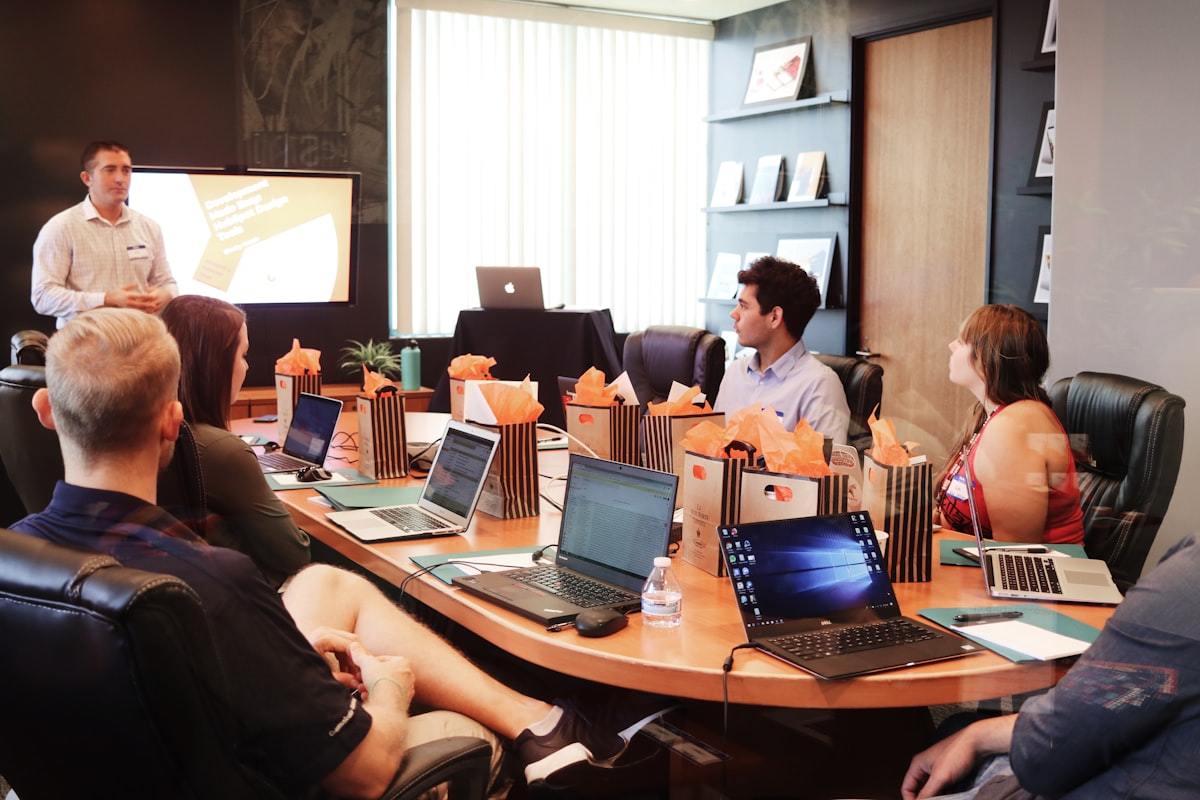
In the US, meetings tend to follow agendas. Plaud Note users frequently describe using the device to capture meeting notes and action items, transforming recorded conversations into structured summaries within minutes.
"I clip it to my laptop before every standup. Within 30 seconds of the meeting ending, I have bullet-point action items in my Notion inbox. My manager thinks I got organized — really it is just the Plaud doing its thing." — Software engineer, San Francisco
Brazilian professionals, by contrast, report using Plaud Note more often in informal settings — coffee meetings, hallway conversations, and networking events. The device becomes a way to manage social anxiety and networking burnout while still capturing the substance of relationship-driven business interactions.
"In Brazil, business happens over cafezinho. I used to lose half of what was discussed because I did not want to pull out my phone and look rude. Now the Plaud sits on the table like a coaster and nobody notices." — Sales manager, Sao Paulo
Language and Transcription Quality
English transcription on Plaud Note is highly optimized. US users consistently rate accuracy above 90% for standard American English in quiet environments.
Brazilian Portuguese presents different challenges. Regional accents vary dramatically between Sao Paulo, Rio de Janeiro, and the Northeast. Users report that while transcription works, accuracy can drop to 75-80% depending on dialect and ambient noise. Many Brazilian users have developed workarounds — speaking more clearly when recording, or using the device primarily for reminder-style recordings rather than full transcription.
"Transcription in Portuguese is maybe 80% right for me in Sao Paulo. But my colleague from Recife gets maybe 70%. We both still use it — even an imperfect transcript beats no transcript." — Product manager, Sao Paulo
"For English calls with US clients, it is flawless. For internal Portuguese meetings, I treat it more like a memory jogger than a word-for-word record." — Consulting director, Rio de Janeiro
Professional Use Cases
United States
- Corporate meetings and standups: The dominant use case. Users want a complete AI capture system that integrates with Notion, Slack, and project management tools.
- Medical and legal notes: Professionals in regulated industries use Plaud Note for preliminary note capture, then review and refine transcripts.
- Lecture recording: Students and lifelong learners use it as a DIY alternative to traditional note-taking.
"I record every patient intake conversation. After the session, the AI summary gives me a clean starting point for my notes. It has cut my documentation time in half." — Therapist, Austin TX
Brazil
- Sales and client calls: B2B sales professionals record client interactions to capture promises and next steps accurately.
- Journalism and content creation: Brazilian journalists and podcasters use Plaud Note for field interviews where phone recording feels intrusive.
- Personal journaling: A growing segment uses the device for journaling and life management, dictating thoughts during commutes in Sao Paulo traffic.
"I spend 2 hours a day in traffic between Moema and Pinheiros. I started recording voice notes about my day, my ideas, my frustrations. The AI summary turns it into something I can actually read later. It became my therapy session on wheels." — Marketing director, Sao Paulo
Shipping, Support, and Product Experience
US users benefit from direct shipping and established return policies. Brazilian users face import duties (often 60% or more on electronics), longer delivery times, and limited local support. This gap in customer support and product reliability means Brazilian early adopters tend to be more technically savvy and self-reliant.
"The import duty was painful — I paid almost R$1,600 total. But the device itself is solid. I just wish there was a local distributor so I would not have to wait 3 weeks for delivery." — Tech entrepreneur, Curitiba
"Ordered mine from the official site, had it in 4 days. Return policy was straightforward when I exchanged my first unit for a different color. Hard to complain about the experience." — Project manager, Chicago
Despite these barriers, Brazilian demand has grown steadily. The product has found an audience among tech-forward professionals who are willing to navigate import challenges for the productivity gains.
Cloud Sync and Data Sovereignty
US users typically sync recordings to Plaud cloud without hesitation. Brazilian users show more concern about data sovereignty — where recordings are stored and who can access them. Brazil LGPD (Lei Geral de Protecao de Dados) regulations have made consumers more privacy-aware, and some users prefer local-only storage options.
"After LGPD, everyone in my company thinks twice about where data goes. I keep most recordings local and only sync the ones I explicitly choose. The offline mode is a feature, not a limitation." — Compliance analyst, Brasilia
This mirrors the broader pattern in how Plaud Note compares to cloud-dependent alternatives like Otter.ai: users who prioritize privacy tend to favor hardware-first solutions.
Price Sensitivity and Value Perception
At roughly $170 USD, Plaud Note is an impulse purchase for many American professionals. In Brazil, after import duties and currency conversion, the effective price can exceed R$1,500 (roughly $280 USD). This means Brazilian buyers approach the purchase with higher expectations and more research — they want to be sure it will deliver value before committing.
"At $169 I figured even if I only use it for meetings twice a week, it pays for itself in a month of saved note-taking time. Easiest productivity purchase I have made this year." — Account executive, New York
The packaging and unboxing experience becomes even more important for Brazilian consumers, who share detailed reviews and unboxing videos in local tech communities.
Side-by-Side Comparison
| Dimension | United States | Brazil | |-----------|--------------|--------| | Primary use case | Corporate meetings | Sales calls + journaling | | Transcription accuracy | 90%+ (English) | 75-85% (Portuguese, varies by dialect) | | Price sensitivity | Moderate ($170 USD) | High (R$1,500+ after duties) | | Data concerns | Low | High (LGPD awareness) | | Support experience | Direct, fast returns | Limited, self-reliant community | | Integration needs | Notion, Slack, Zapier | WhatsApp, Google Drive | | Buying behavior | Impulse / low research | High research, community validated |
Conclusion
The same device serves fundamentally different roles in different markets. For Plaud and similar AI recording companies, understanding these regional differences is not just interesting — it is essential for product roadmap decisions, localization investment, and support infrastructure planning.
As AI wearables mature, the gap between markets will likely narrow. But today, a Plaud Note in San Francisco and a Plaud Note in Sao Paulo are being used in surprisingly different ways.